

Pitso Mosimane says Bafana Bafana must improve their ability to get into opposition penalty areas after a FIFA technical review of the 2026 World Cup identified shortcomings in South Africa’s attacking play.
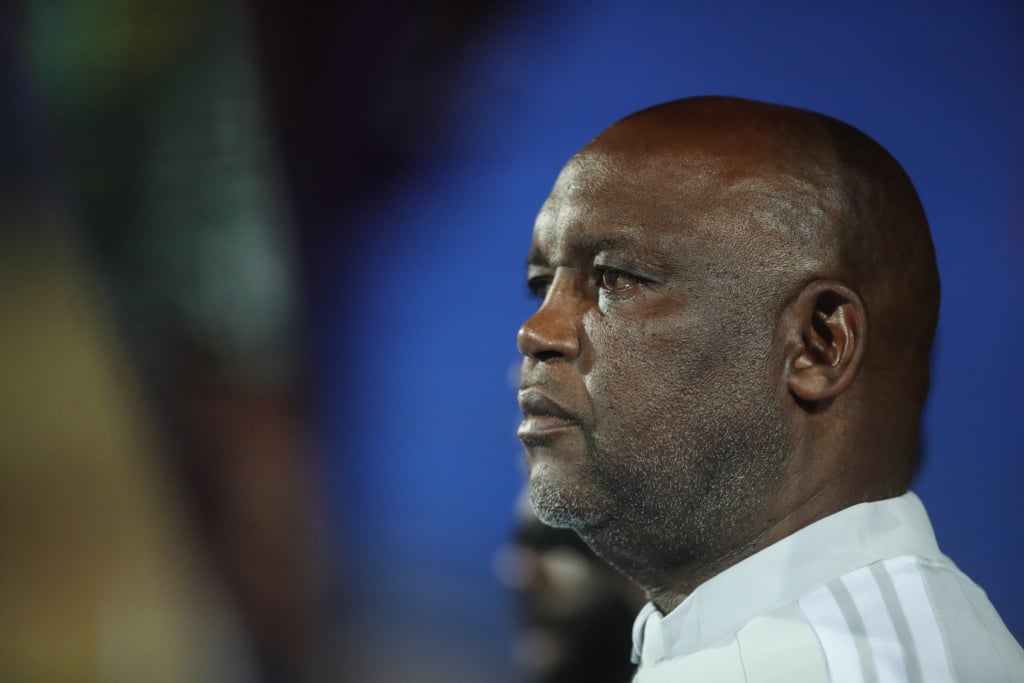


Speaking exclusively to SABC Sport after the CAF Strategy Conference in Santa Maria, Cabo Verde, Mosimane said the findings offered valuable lessons for coaches preparing their teams for the next World Cup in 2030.
“The report highlighted many aspects of Bafana’s game during the World Cup, and our box entries was especially lacking but some of the other aspects we were not too bad in,” he said. “All of this has been great for us coaches to go back and learn from these lessons.”
The review was led by FIFA’s chief of global football development, Arsène Wenger, alongside technical study group member and former Ghana coach Otto Addo and FIFA football performance analysis team lead Aaron Ackerman.
Africa sent 10 teams to the tournament, with nine progressing to the knockout stage, the best progression rate of any confederation. The technical analysis examined how the continent’s sides could build on that achievement, focusing on chance creation, counter-pressing, penalty-area presence and managing the closing stages of matches.
READ: Bafana Bafana Star Olwethu Makhanya Wins Rangers Player of the Month Award
For Bafana, Mosimane’s assessment points to a clear priority: finding ways to get players into dangerous positions more consistently. His comments also suggest that South Africa performed reasonably well in other areas, giving the coaching staff a foundation on which to build.
The conference also examined the support national-team coaches receive from their federations, with participants discussing the importance of continuity and allowing technical staff sufficient time to develop their teams.
Mosimane said the issue had been raised directly by Côte d’Ivoire’s coach.
“Certain ideas were discussed to see how much better FIFA’s contribution in Africa can be. The coach of Cote d’Ivoire was also brave enough to bring up the fact that federations have to provide more support and give more patience to their coaches,” he added.
With preparations for 2030 already on the agenda, Mosimane believes the value of the review lies in translating analysis into practical improvements. For Bafana, becoming more effective in the opposition box is among the most pressing lessons to address.