

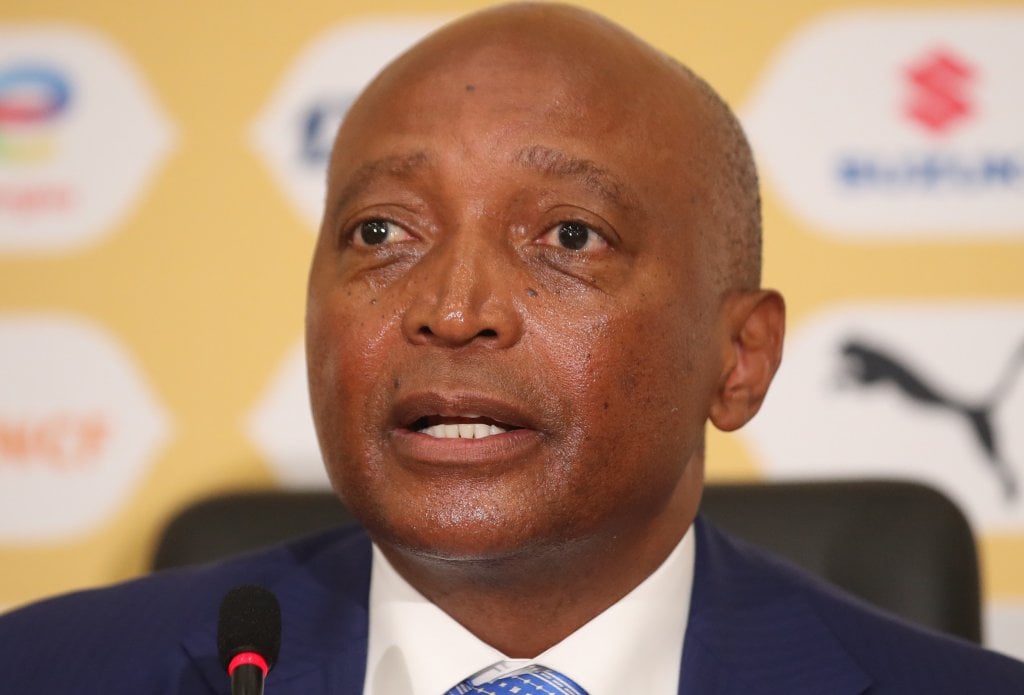
In a video shared on CAF’s official platforms, Motsepe broke his silence and swiftly underscored the importance of fairness and independence amid mounting criticism.


“A fundamental principle is that no African country will be treated in a more privileged, more advantageous, or more favourable manner than another country on the African continent,” he stated, as reported by Moroccoworldnews.com
His remarks come after CAF’s Appeals Jury overturned an earlier ruling and handed Morocco the title, citing regulatory breaches linked to the chaotic final in Rabat on January 18.
Motsepe, however, avoided directly addressing the merits of the verdict. Instead, he pointed to the contrasting decisions by CAF’s disciplinary and appeals bodies as proof of institutional independence.
READ: Morocco awarded AFCON 2025 title as CAF overturns final after Senegal walk-off
“The independence of CAF’s judicial organs is clearly reflected in the different decisions taken by the disciplinary commission and the appeals commission,” he said.
He further described the Appeals Committee as being made up of “some of the most respected jurists and magistrates on the continent,” stressing that its members operate free from interference, despite being appointed through a process involving all 54 member associations.
While defending the system, Motsepe acknowledged the reputational damage caused by the final.
“What happened during that match compromises the considerable work accomplished by CAF over many years to guarantee integrity, respect, ethics and credibility,” he admitted.
He also conceded that the controversy exposed deeper trust issues within African football.
“The events during the final highlight the work that remains to be done in the face of suspicion and lack of confidence,” he added
CAF, he said, has already begun implementing corrective measures aimed at strengthening disciplinary processes and improving the credibility of officiating, including the use of VAR.
Attention now shifts to Senegal, who have signalled their intention to escalate the matter to the Court of Arbitration for Sport (CAS).
“Each of the 54 African nations has the right to pursue the necessary appeals to defend its interests,” Motsepe noted.
“We will comply with and respect the decision taken at the highest level.”
With a 10-day window to file their appeal, Senegal’s next move could extend the dispute beyond CAF – and keep one of African football’s most controversial decisions under global scrutiny.