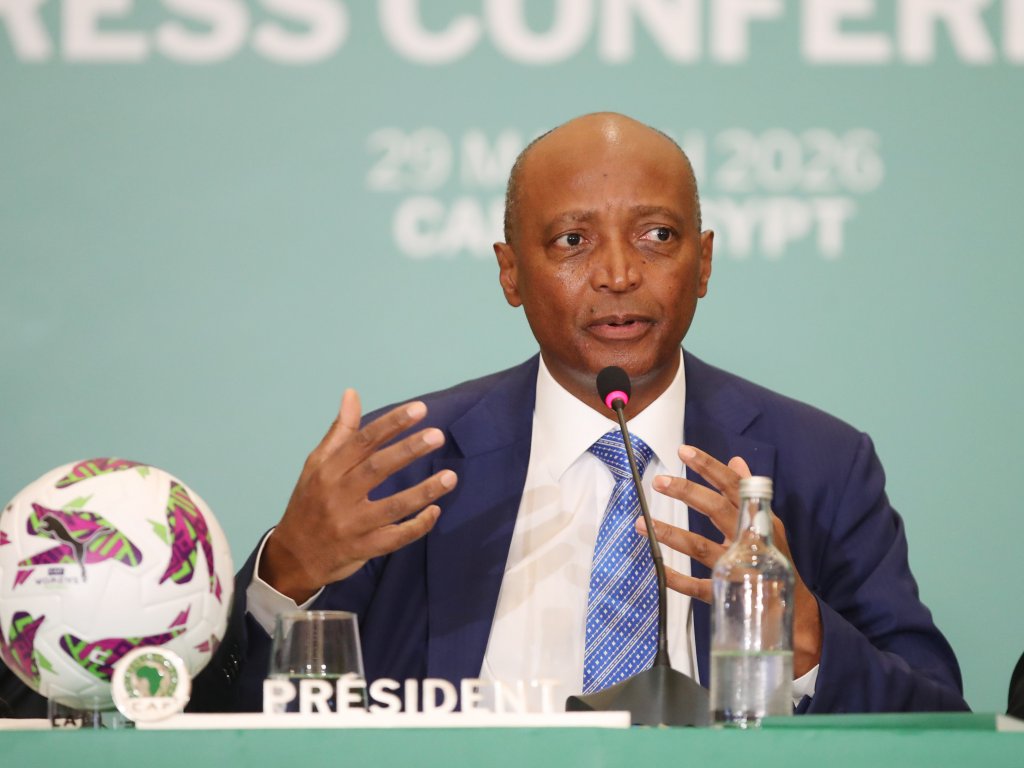
CAF President Announces Bold AFCON Revamp, Co-Hosts Urged to Fast-Track Preparations
CAF President Patrice Motsepe announced the move as part of a wider plan to boost participation and accelerate football growth across Africa.
The move marks a significant shift in the structure of Africa’s premier international competition and places additional pressure on co-hosts Kenya, Uganda and Tanzania, who must now fast-track preparations to meet CAF’s requirements.
Under the new framework, each host nation will be expected to provide at least two CAF-approved stadiums. This raises the urgency around infrastructure upgrades, renovations and overall logistical planning.
While the multi-host arrangement already presents complexities, the expanded format further increases the demands on readiness and coordination.
Recent tournaments offer a point of reference. Ivory Coast staged the 2023 edition across six venues, while Morocco is set to host the 2025 tournament using nine stadiums.
CAF maintains that the expansion will create more opportunities for nations to compete on the biggest stage in African football. However, it also introduces heightened logistical challenges that the host countries must overcome to ensure a successful tournament.